laisser un message
Si vous êtes intéressé par nos produits et souhaitez en savoir plus, veuillez laisser un message ici, nous vous répondrons dès que possible.
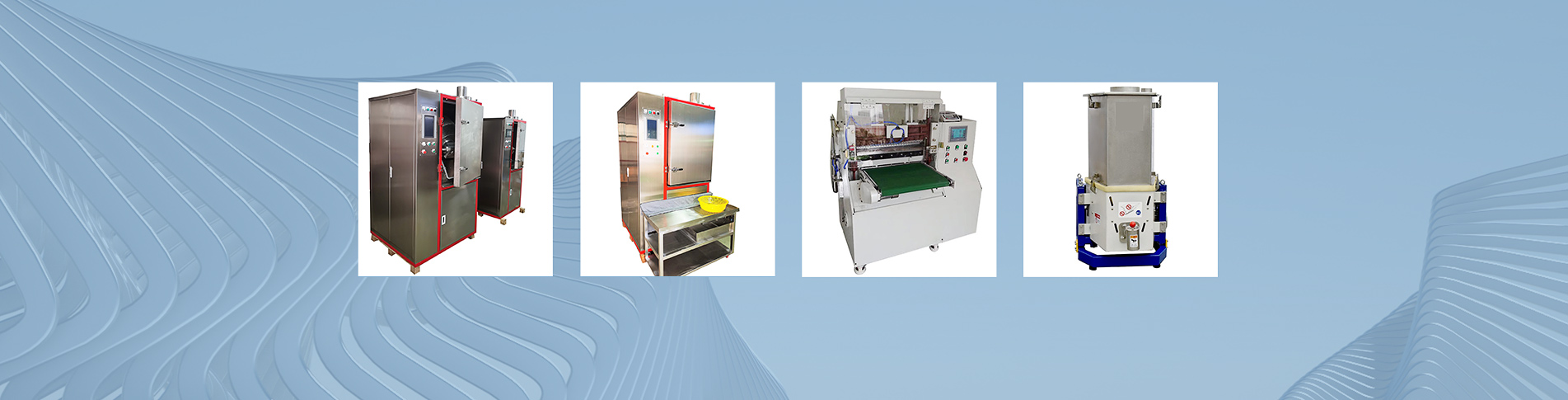
Face à l'élévation des normes de fabrication mondiales et à la hausse continue des coûts de main-d'œuvre en 2026, le recours à l'ébavurage manuel des pièces en caoutchouc, en plastique et moulées sous pression n'est plus une stratégie viable. Les fabricants se tournent de plus en plus vers des solutions automatisées afin de maintenir des taux de rendement élevés et un contrôle qualité rigoureux.
À l'avant-garde de cette transition se trouve le Machine de déflachage cryogéniqueUn système d'ébavurage automatisé de pointe, conçu pour éliminer les bavures sans endommager le produit. Mais comment cette technologie profite-t-elle concrètement à des secteurs spécifiques ? Examinons en détail ses principales applications, son processus technique et le retour sur investissement d'un système d'ébavurage à l'azote liquide.
La polyvalence de la machine d'ébavurage cryogénique Nanjing PEGE lui permet de résoudre les problèmes d'élimination des bavures dans de nombreux secteurs industriels de haute précision :
L'industrie des véhicules électriques exige une précision absolue pour les joints toriques en caoutchouc, les joints d'étanchéité et les joints en silicone afin de garantir l'étanchéité des batteries et la réduction du bruit. La découpe manuelle entraîne souvent des bords irréguliers ou des imprécisions dimensionnelles.
● La solution : L'ébavurage cryogénique traite facilement de grands volumes de pièces en caoutchouc EPDM, NBR et FKM. Pour les pièces extérieures automobiles de grande taille, des modèles spécifiques comme le PEGE PG-120T sont conçus pour ébavurer sans effort les pare-chocs volumineux en polyuréthane (PU), assurant une finition de surface impeccable prête pour le revêtement.
Les smartphones, les objets connectés et les appareils électroménagers utilisent des pièces en microplastique injecté. Les bavures de ces composants se situent souvent dans des géométries internes complexes ou de minuscules orifices inaccessibles à la main.
● La solution : Les granules de polycarbonate à grande vitesse (de 0,5 mm à 1,5 mm) peuvent pénétrer les trous borgnes et les cavités complexes, en enlevant les bavures de plastique fragilisées sans altérer la structure délicate du produit.
Outre le caoutchouc et les plastiques, l'ébavurage cryogénique est particulièrement efficace pour les alliages métalliques légers utilisés dans l'aérospatiale et l'électronique grand public. Il élimine les bavures ultrafines des pièces moulées sous pression en zinc et en magnésium sans l'abrasion importante causée par les sableuses à tambour traditionnelles.
Comprendre les mécanismes du procédé d'ébavurage cryogénique de Nanjing PEGE permet de comprendre sa haute précision. Ce procédé repose sur une séquence en trois étapes rigoureusement contrôlée :
1. Fragilisation rapide : De l'azote liquide est injecté dans la chambre de traitement à isolation renforcée, ce qui provoque une chute rapide de la température (réglable de -130 °C à +50 °C). La pièce mince, beaucoup plus fine que la pièce principale, se solidifie et devient cassante instantanément, tandis que la pièce principale, plus épaisse, conserve sa flexibilité et ses propriétés physiques.
2. Exploitation à grande vitesse : Une roue de projection haute performance propulse des granulés de polycarbonate à une vitesse calculée pouvant atteindre 105,7 m/s. Ces granulés de matériau pulvérisateur brisent proprement et uniformément les particules fragiles lors de l'impact.
3. Séparation et récupération automatiques : Un système de criblage vibratoire intégré sépare efficacement les supports en polycarbonate réutilisables des poussières de rebut éliminées, minimisant ainsi considérablement les déchets consommables quotidiens et assurant une opération respectueuse de l'environnement.
Le choix de l'équipement approprié dépend de votre débit journalier, des dimensions des pièces et de la surface de votre atelier. PEGE propose une gamme complète adaptée à toutes les échelles de production :
Modèle | Capacité du fût | Productivité (kg/jour) | Application idéale |
PG-40T | 40 litres | 150 - 200 | Petits joints toriques de précision, composants médicaux en silicone, microplastiques. |
PG-60T | 60 litres | 200 - 250 | Joints d'étanchéité en caoutchouc de taille moyenne, joints d'étanchéité, pièces standard en plastique injecté. |
PG-120T | 120 litres | Robuste | Pièces de grande taille, pare-chocs en polyuréthane (PU), pièces automobiles produites en grande série. |
(Remarque : les équipements PEGE sont dotés d'une conception d'isolation optimisée qui réduit la consommation d'azote liquide jusqu'à 20 % par rapport aux normes industrielles moyennes, maximisant ainsi votre retour sur investissement).
Q : Le froid extrême (-130℃) endommagera-t-il ou altérera-t-il le produit final ?
R : Non. Le refroidissement rapide cible exclusivement la couche flash micro-mince en raison de sa faible masse thermique. Le produit principal ne reste pas suffisamment longtemps dans la chambre pour subir des modifications structurelles ou physiques permanentes.
Q : Combien de temps dure un cycle d'ébavurage typique ?
A : L'efficacité est un atout majeur. Un cycle typique ne dure que 3 à 10 minutes selon l'épaisseur du matériau et l'importance des bavures, remplaçant ainsi des heures de travail manuel.
Q : Quelle est la durée de vie des supports de tir en polycarbonate ?
A : Le polycarbonate est extrêmement durable. Bien qu'il s'use progressivement avec le temps, le système de séparation interne de la machine recycle en continu les granulés utilisables, garantissant ainsi une rentabilité maximale.
Passer à un système d'ébavurage cryogénique ne se résume pas à l'achat d'une machine ; il s'agit de transformer votre contrôle qualité et d'augmenter votre capacité de production sans faire augmenter vos coûts de main-d'œuvre.
Avec près de 20 ans d'expertise et des installations réussies dans plus de 15 pays, Nanjing Pege Techno Machine Co., Ltd est votre partenaire de confiance pour l'efficacité et la précision.
[Contactez-nous dès aujourd'hui] Pour une consultation gratuite, ou envoyez-nous vos échantillons de produits pour une analyse gratuite Essai d'échantillon de déflashing cryogénique pour constater les résultats par eux-mêmes.
Nous sommes en ligne 7*24 heures pour répondre à toutes vos questions


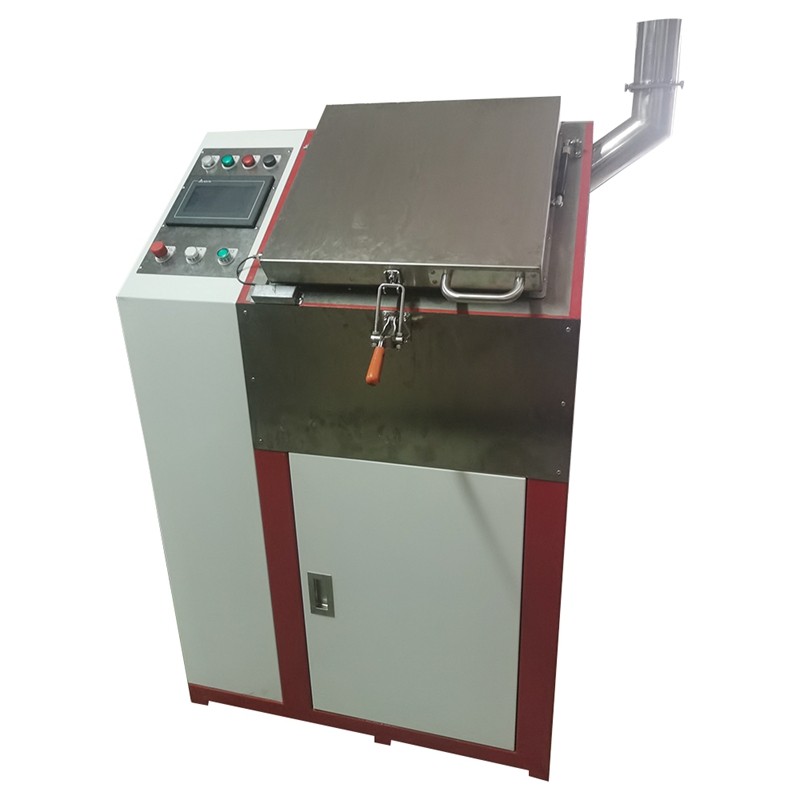 Machine d'ébavurage cryogénique PG-40T
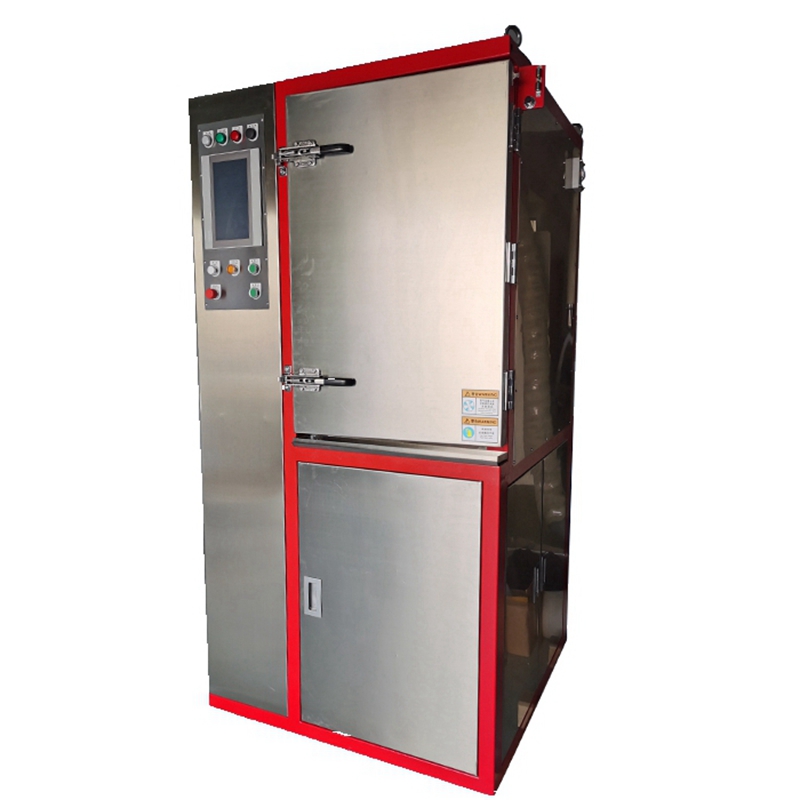 Machine d'ébavurage cryogénique PG-60T
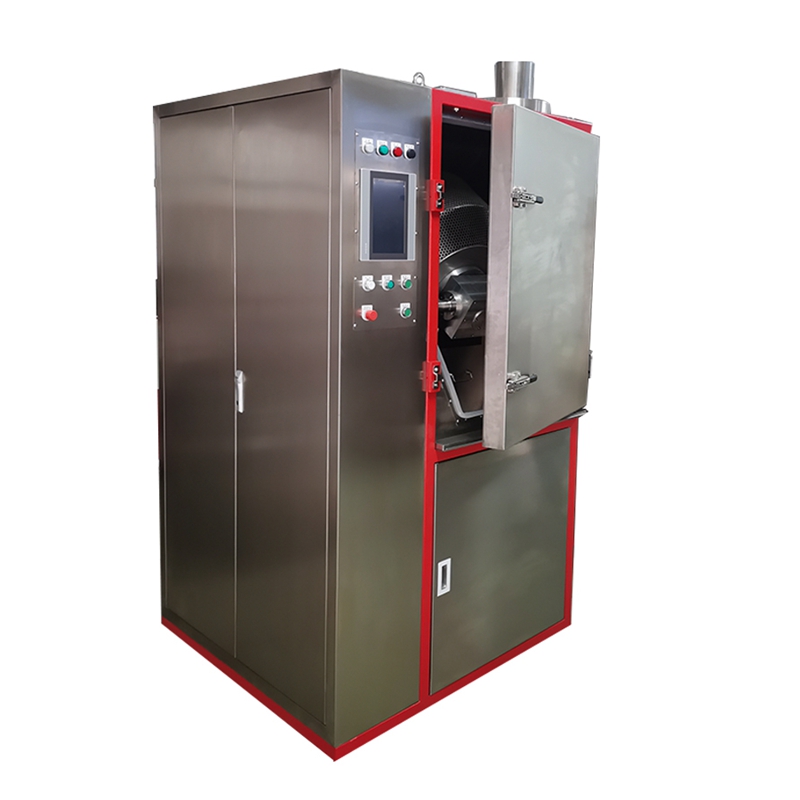 Machine d'ébavurage cryogénique PG-80T
 Machine d'ébavurage cryogénique PG-120T
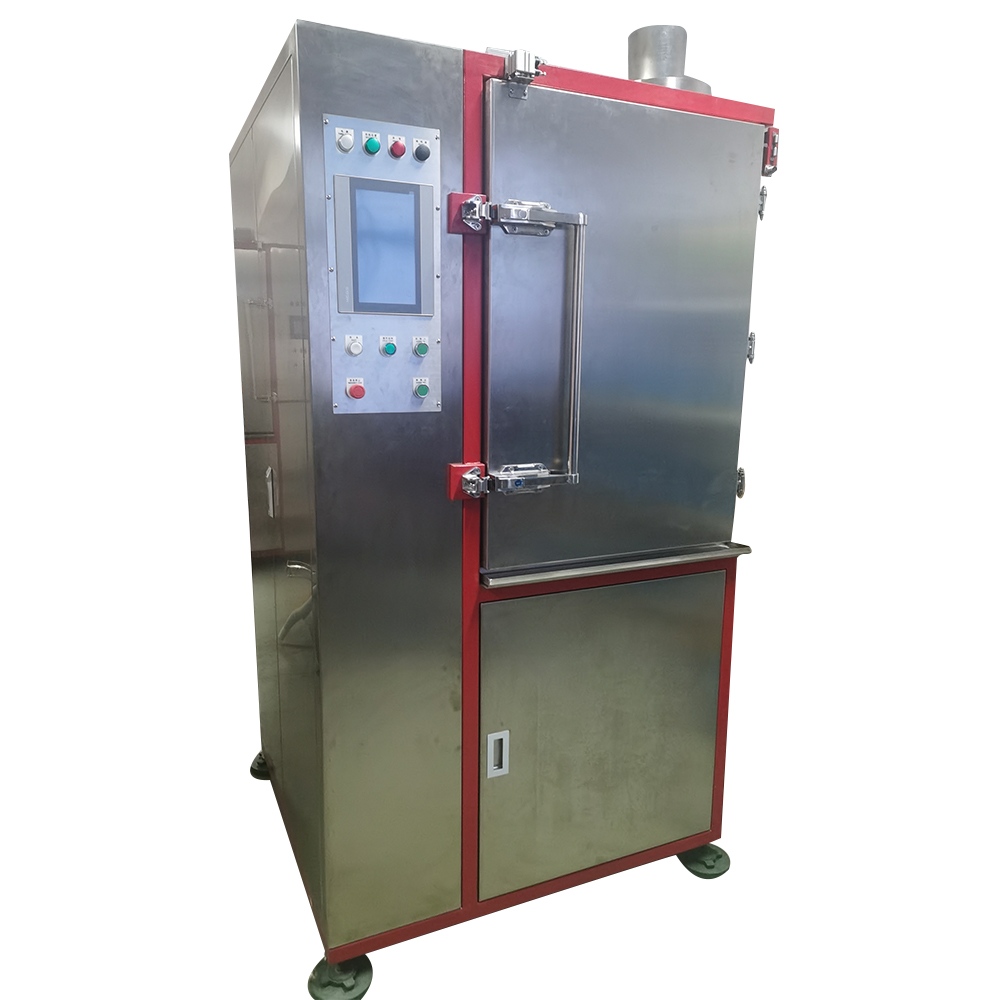 Machine d'ébavurage cryogénique PG-150T
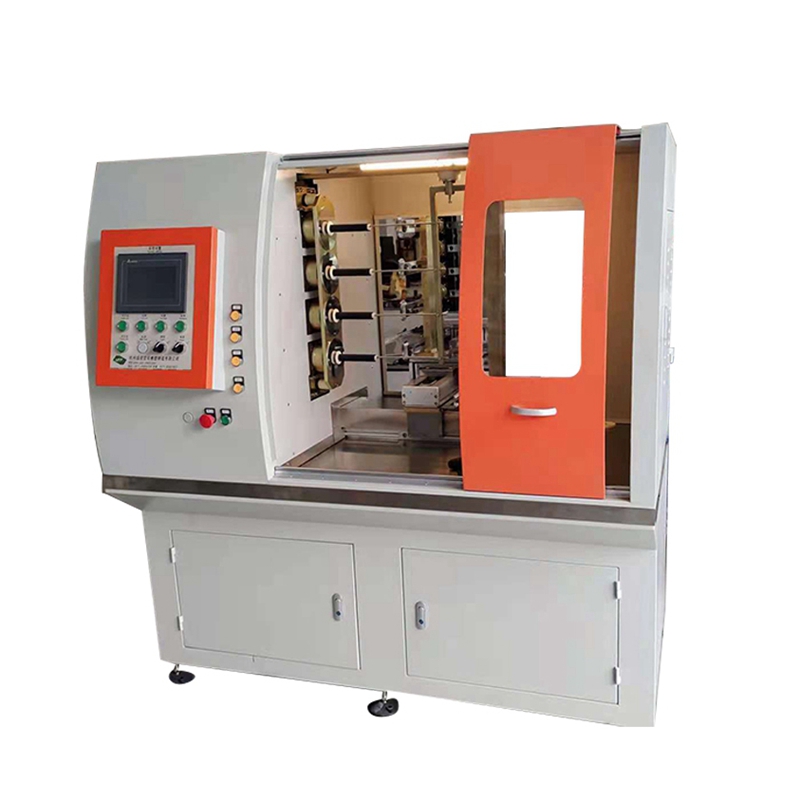 Machine de découpe de joints de rondelle de mandrin sous videPG-YAQ-1S
 Machine d'ébavurage à l'azote PG-40T en Chine
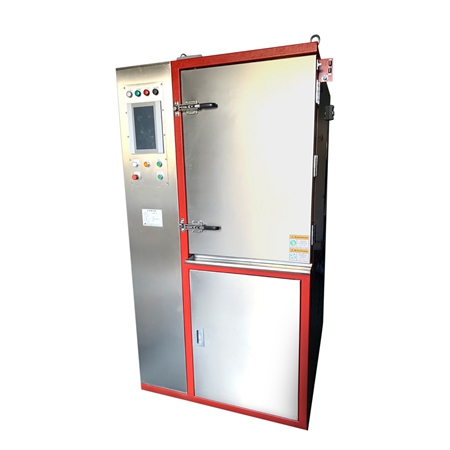 Machine d'ébavurage cryogénique automatique de pièces en caoutchouc
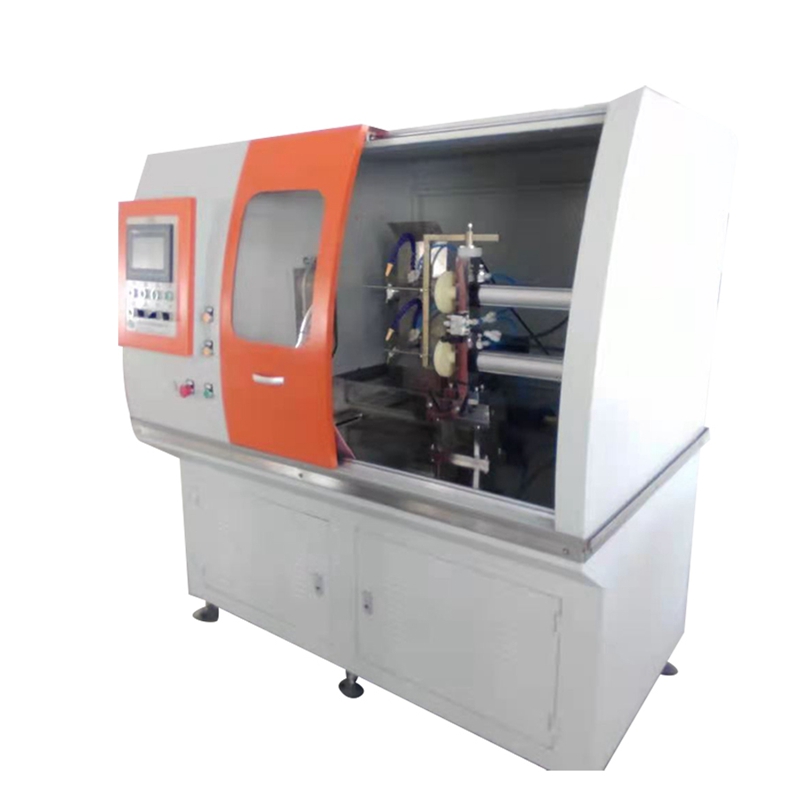 Machine de découpe de mandrin sous vide
 Nanjing Pege Frozen Shot Déflasheur cryogénique ébavurant les pièces en plastique
Machine de découpe de joint de mandrin sous vide
Nanjing Pege Frozen Shot Déflasheur cryogénique ébavurant les pièces en plastique
Machine de découpe de joint de mandrin sous vide
 Machine d'ébavurage par grenaillage à l'azote liquide


 English
 français
 español
 Réseau IPv6 pris en charge